
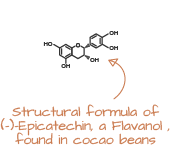
Scientific Framework
Project Scope
In order to gain a comprehensive and in-depth understanding of the function and delivery of flavanols, FLAVIOLA focused on a broad range of complementary aspects.We did analyse the uptake, bioavailability and metabolism of dietary flavanols from a variety of food matrices. Of particular interest was the potential variations caused by range of aspects including susceptibility, age and gender (inter and intra-individual variability).
In so doing, this research did set the stage for the targeted delivery of nutrients to their cellular and/or sub-celluar site of biological action and, as such, the development of health-promoting food delivery tools.
The project was divided into six work packages (WP), with each research partner leading on one or more aspects of the research:
In so doing, this research did set the stage for the targeted delivery of nutrients to their cellular and/or sub-celluar site of biological action and, as such, the development of health-promoting food delivery tools.
The project was divided into six work packages (WP), with each research partner leading on one or more aspects of the research:


wp1tab

Focused on designing flavanol-rich food products, developing novel analytical methods, and analyzing dietary flavanol uptake and metabolism
wp2tab

Developed food databases to evaluate population-based intake of flavanols, assessed variables potentially affecting dietary intake, and safety of intake
wp3tab
Investigated the impact of dietary flavanols on cardiovascular function in healthy people, both young and elderly adults, through well-controlled clinical trials
wp4tab
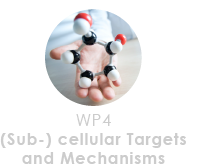
Investigated key molecular targets of dietary flavanols taking part in vascular function and health
wp5tab

Focuses on the communication of FLAVIOLA's results to all key stakeholders to ensure that the findings are effectively leveraged in terms of the scientific, societal and economic advancement of the EU
wp6tab

Covers the effective project management of FLAVIOLA to ensure all necessary goals and targets are met